Cute Unicorn Embroidery: A Real Designer's Review
When I first opened the file for Cute Unicorn Embroidery, my initial reaction was a mix of delight and skepticism. As someone who has spent years reviewing digital assets for both personal studios and commercial clients, I know that "cute" is often a trap. Too many designs promise charm but deliver clunky stitching or impossible density issues when pushed through a home machine. However, after running this piece on several different fabric types, from soft cotton jersey to sturdy canvas, I found it to be a surprisingly robust option for real-world projects.
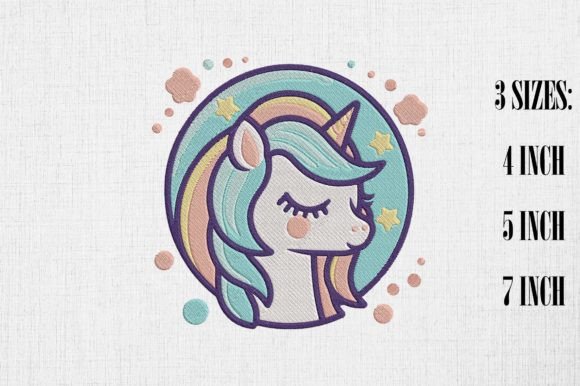
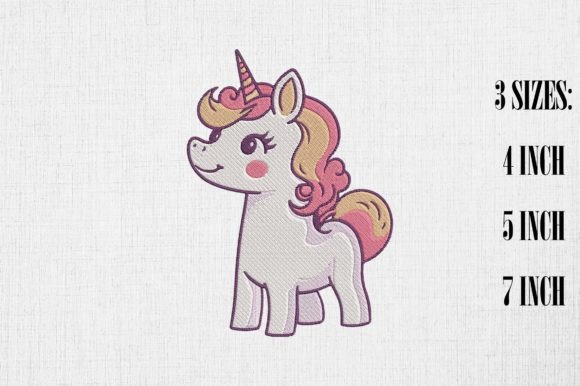
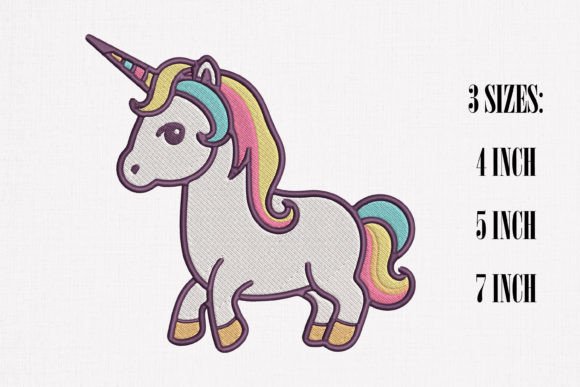
The mood this design creates is undeniably whimsical yet polished. It doesn't scream "toy store"; instead, it feels like something you would find in a high-end boutique nursery or a curated handmade shop. The shape is rounded and inviting, avoiding the sharp angles that often cause thread breaks in complex animal motifs. For an embroidery project focused on the Animals category, specifically mythical creatures, this design strikes a balance between detailed character work and clean, readable lines. It feels ready to become a centerpiece for a custom apparel line or a thoughtful personalized gift.
From Screen to Stitch: The Real-World Test
To truly judge a machine embroidery design, you have to move beyond the static image on your screen. I decided to put Cute Unicorn Embroidery through its paces with a specific scenario: creating a limited-run collection of tote bags for a local craft fair. The goal was to produce items that felt professional enough to justify a higher price point but had enough personality to stand out among mass-produced goods.
I selected a natural canvas tote bag, a classic choice for Etsy sellers and small business owners looking to add value to their inventory. When I hooped the design, the layout worked perfectly. The negative space around the unicorn allowed the background fabric to breathe, preventing the finished product from looking cluttered. The satin stitch used for the outline was smooth and consistent, with no visible gaps or loose threads even at the tighter curves of the horn and mane.
One of the most critical aspects of any embroidery file is how it handles density. In my experience, dense fill stitches can sometimes create a stiff, board-like texture that ruins the drape of a garment or bag. Fortunately, Cute Unicorn Embroidery manages its fill areas intelligently. The body of the unicorn retains a soft hand feel, which is essential for items like tote bag design pieces that will be carried over shoulders or stuffed with heavy items. If the stitching were too thick, the bag would lose its structural integrity and look cheap. Instead, the design maintains a delicate appearance while remaining durable enough for daily use.
Versatility Across Product Categories
While the tote bag test was successful, the true value of a digital asset lies in its adaptability. This design is not limited to just one type of merchandise. I immediately visualized how it could translate into other popular categories for craft business owners.
- Baby Clothes: The gentle aesthetic makes it perfect for baby embroidery. Imagine this stitched onto a onesie or a muslin blanket. The soft curves are safe for skin contact, and the playful theme fits seamlessly into nursery decor trends.
- Home Decor: On a tea towel or kitchen linen, this design adds a touch of magic to everyday tasks. The contrast against white or pastel fabrics enhances the thread colors, making the design pop without overwhelming the utility of the item.
- Holiday Gifts: During the festive season, holiday embroidery often relies on quick, recognizable imagery. This unicorn serves as an excellent alternative to traditional reindeer or snowmen, offering a modern twist for those seeking unique giftability.
- Apparel Decor: Whether applied to a sweatshirt or a denim jacket, the design scales well. The proportions remain balanced whether it is placed on a chest pocket or centered on the back of a hoodie.
For commercial embroidery projects, consistency is key. Clients expect every unit of a product to look identical. Based on my testing, the registration points in this file appear precise, ensuring that multi-color runs stay aligned. This reliability builds customer trust and protects the reputation of the maker. When a buyer receives a finished product that looks exactly like the printable mockup they saw online, it reinforces brand loyalty.
Where to Exercise Caution
Despite its strengths, no single design is a universal solution. There are specific scenarios where Cute Unicorn Embroidery requires careful consideration. First, consider the hoop size. While the design works beautifully on standard 4x4 or 5x7 hoops, attempting to shrink it significantly for very small applications might result in a loss of detail. Tiny features, such as the eyes or the tip of the horn, may become indistinct if compressed too much.
Fabric choice also plays a pivotal role. The design performs best on stable, medium-weight fabrics. If you attempt to embroider this on highly stretchy knit materials without proper stabilization, the stitch density could distort the grain of the fabric, leading to puckering. Similarly, textured fabrics like bouclé or heavy waffle weaves can obscure the finer details of the running stitch elements. In these cases, a stabilizer is non-negotiable; using the wrong type can ruin the clarity of the image.
Dark fabrics present another challenge. Unless you plan to use a heavy underlay or a contrasting background patch, light-colored threads might get lost against deep navy or black backgrounds. For dark fabric projects, I recommend testing a sample with a contrasting thread palette or adding a backing layer to ensure the design remains vibrant and legible.
Practical Notes for Designers and Makers
If you are planning to incorporate this design into your workflow, there are a few technical steps to ensure success. Always run a test on scrap fabric before committing to your final product. This simple step allows you to check thread color contrast and verify that the stitch density sits correctly on your specific material. It is also wise to inspect the design in black and white mockups to ensure the shapes hold up without relying solely on color.
For those selling digital embroidery files or finished goods, verifying the licensing terms is crucial. Ensure that the license allows for commercial use if you intend to sell the small shop product or offer design assets to others. Some creators restrict the number of units sold or require attribution. Clarifying these terms upfront prevents legal headaches later.
Finally, think about the overall presentation. A well-executed embroidery project tells a story. When customers see Cute Unicorn Embroidery on a high-quality item, they perceive value. They see the time and skill invested in the creation process. This perception drives engagement and justifies premium pricing. By paying attention to the nuances of stitch quality and fabric compatibility, you transform a simple digital file into a tangible piece of art that resonates with buyers.
In conclusion, Cute Unicorn Embroidery is a versatile and charming addition to any designer's library. It balances aesthetic appeal with technical feasibility, making it suitable for everything from hobbyist gifts to professional boutique collections. With the right preparation and attention to detail, this design can elevate your handmade product line and bring a touch of magic to your customers' lives.