Pastel Village Embroidery Paper Review
When I set up my booth for a weekend craft fair, the first thing I look for is a design that stops people in their tracks. It has to be something that feels warm, inviting, and undeniably handmade. Recently, I came across Pastel Village Embroidery Paper, and I immediately started visualizing how it would transform my table display. As an experienced designer who knows that the difference between a hobby project and a best-selling craft fair product often lies in the details, I put this asset through its paces before deciding to feature it on my upcoming line of goods.
The First Impression: Soft, Welcoming, and Market-Ready
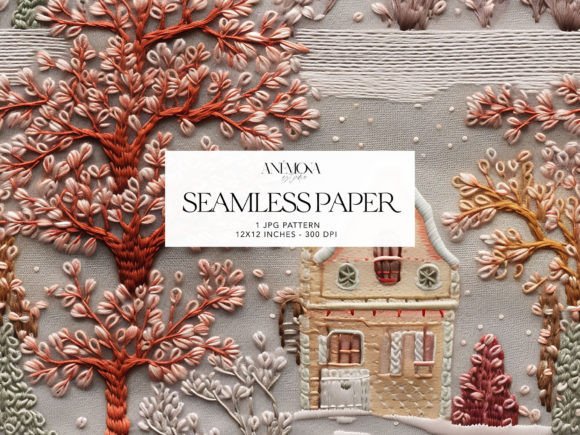
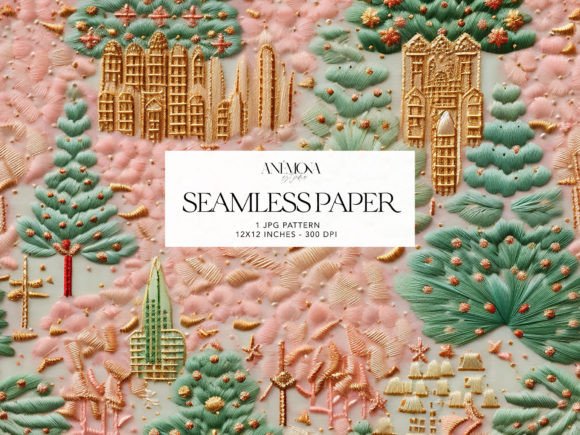
The moment you see the title and preview images of Pastel Village Embroidery Paper, the vibe is unmistakable. It isn't bold or aggressive; instead, it exudes a soft, farmhouse elegance with a touch of whimsy. The "Pastel" aspect suggests a color palette that is easy on the eyes, perfect for the gentle, curated aesthetic that customers love at artisan markets. This isn't just a graphic; it feels like a scene from a storybook village, ready to be stitched onto fabric.
For an Etsy seller or boutique maker, this distinction matters. Customers often scroll past items that feel generic, but they stop for designs that evoke a specific mood. This paper brings a sense of calm and charm that works beautifully for gift-giving occasions. Whether you are creating a small shop product or a larger commercial embroidery line, the aesthetic of Pastel Village Embroidery Paper aligns perfectly with current trends in home decor and wearable art.
Visualizing the Booth: From Tote Bags to Tea Towels
Imagine walking up to my booth. The centerpiece is a row of cream-colored tote bags featuring large, seamless applications of the village design. Because the description notes that this is a seamless 3600px JPG, the potential for scale is exciting. I can imagine stretching this design across a full apron for a kitchen-themed collection or using it as a repeating pattern on tea towel embroidery projects.
Here is where the real-world application shines. For a tote bag design, the pastel tones pop against natural cotton or canvas without needing heavy contrast. It creates a premium look that suggests high-quality craftsmanship. If I were to use this for embroidered patches, the village scene would serve as a delightful focal point, drawing attention from across the aisle. Even for smaller items like fabric pouches or pillow covers, the design adds a layer of sophistication that elevates the perceived value of the item.
I also see this working wonders for printable mockups. When listing items online, showing a customer exactly how the Pastel Village Embroidery Paper looks on a finished product builds trust. The seamless nature means I can create realistic digital representations of how the pattern repeats on fabric, helping buyers visualize the final result before they purchase.
Production Practicality and Design Clarity
As a designer, I need to know if a design is practical to produce in bulk. One of the strongest selling points of Pastel Village Embroidery Paper is its clarity. At 300 dpi, the resolution is sufficient for high-quality printing and digital visualization. However, when translating a digital image into a physical machine embroidery design, we must be careful.
If this digital paper is intended to be digitized into an embroidery file, the density of the stitches will be crucial. A village scene often contains many elements—houses, trees, paths—which can lead to dense stitch areas. If the design is too intricate, it might lose definition on textured towels or thick denim. I advise testing the design on scrap fabric to ensure the details hold up. Is it better used as a large focal design on a pillow cover, or should it be scaled down as a small accent on a cap? The versatility of the artwork allows for both, provided the digitizer adjusts the stitch density accordingly.
For batch production, the seamless quality is a game-changer. It allows for efficient cutting and stitching patterns, reducing waste and speeding up the creation of commercial embroidery items. This efficiency is vital for any creative entrepreneur looking to meet demand during peak market seasons.
Critical Considerations for Success
Before committing to a full run of products, there are several technical factors to consider. Not every surface handles a complex village scene equally well. On curved cap surfaces, the design might distort if not properly adjusted for the curve. Similarly, on dark fabric, the pastel colors may appear muted unless a white underlay or specific thread choices are used.
Another key factor is the stitch density. If the original illustration has tiny details or small lettering, these could get lost in the stitching process. Tiny details often require a very small hoop size to maintain sharpness, which limits the overall size of the design. If you plan to use this for apron embroidery or large wall hangings, ensure the design is simplified enough to remain clear from a distance. Conversely, for small items like pouches, the detail might be overwhelming, so scaling might be necessary.
Always check the licensing terms before selling finished products. While the digital assets are perfect for creating unique items, confirming that you have the right to sell commercially is essential for protecting your business. Additionally, verify the thread colors available in your machine that best match the pastel palette to ensure the final output matches the digital preview.
Designer's Checklist for Production
To ensure your handmade product stands out and sells well, follow these steps when working with Pastel Village Embroidery Paper:
- Test on Scrap Fabric: Always stitch a sample on the same fabric type you plan to sell. This reveals how the texture interacts with the design.
- Check Thread Contrast: Ensure the pastel threads provide enough visibility against your chosen background material.
- Review Spacing: Verify that the elements within the village scene have enough room between them to prevent crowding.
- Confirm Hoop Size: Make sure your design fits comfortably within your standard hoop sizes to avoid re-hooping issues.
- Inspect Stitch Density: Adjust the density to prevent puckering, especially on lightweight fabrics like tea towels.
- Use the Right Stabilizer: Select a stabilizer that supports the weight of the design without adding unnecessary bulk.
- Create Real Mockups: Produce at least one physical sample to photograph for your Etsy listings and social media.
- Compare Fabric Colors: Test the design on different colored backgrounds to find the most appealing combination.
Ultimately, Pastel Village Embroidery Paper offers a beautiful foundation for a wide range of design assets. Whether you are a seasoned pro or just starting your journey as a small shop product creator, this design has the potential to become a staple in your catalog. By paying attention to the technical nuances and focusing on the emotional appeal of the village theme, you can create finished products that resonate deeply with customers. In the world of handmade goods, it is often the little details—the soft colors, the charming scenes—that turn a simple transaction into a memorable experience. With careful planning and execution, this digital paper can help you build a brand that feels authentic, professional, and truly special.