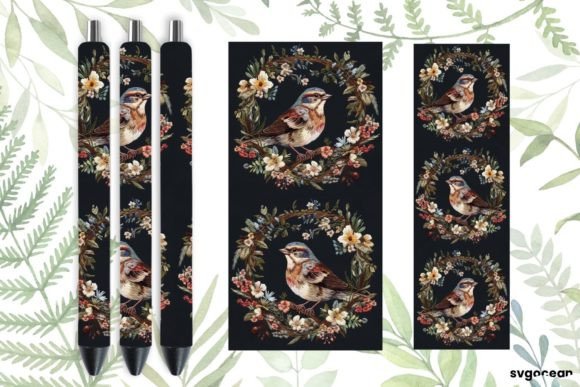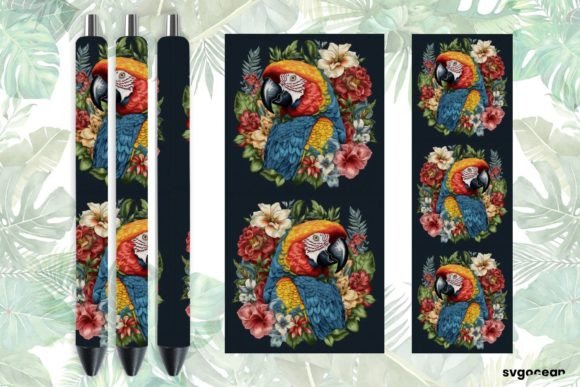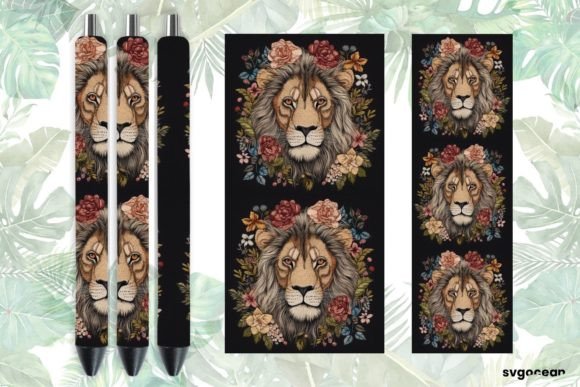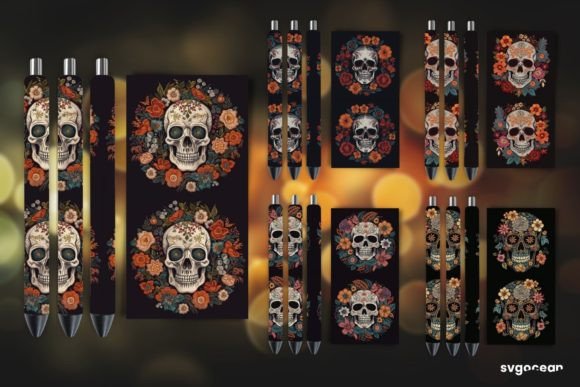
Embroidery Dove Pen Wraps Sublimation Review
I have spent years evaluating digital assets for my own studio and for the clients I advise. There is a specific moment when you open a new file where you know immediately if it will work or if it will be a headache on the hoop. Today, I am looking at Embroidery Dove Pen Wraps Sublimation, a design that lands squarely in the Crafts and Graphics categories but demands to be treated as a serious commercial asset. It is not just a pretty image; it is a tool for building brand identity and creating tangible, high-value gifts.
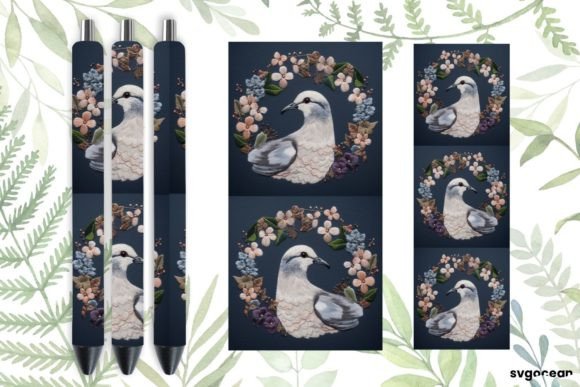
The first thing you notice about this piece is its vertical orientation. The dimensions provided suggest a long, slender layout, which screams "pen wrap" or perhaps a decorative strip for a tote bag. When I opened the preview, the mood felt serene yet purposeful. A dove motif usually carries connotations of peace, purity, or a fresh start. In a practical sense, this makes it incredibly versatile for baby showers, wedding favors, or even a calming addition to a home office setup. But does the visual promise hold up when translated into thread?
From Digital File to Finished Product
Let's imagine a real scenario. You are an Etsy seller preparing a batch of custom aprons for a local bakery or perhaps a set of matching tea towels for a bridal registry gift. You need something that looks expensive but stitches reliably. This is where Embroidery Dove Pen Wraps Sublimation enters the conversation. If you were to stitch this onto a high-quality cotton canvas apron, the elongated shape would frame the chest area beautifully without overwhelming the wearer.
The file includes PNG versions at 450 x 1425 px and 750 x 1500 px, both at 300 DPI. While these are raster files intended for sublimation printing mockups or digital previews, they give us a clear roadmap of what the final embroidery should look like. For the actual stitching process, you would typically convert this concept into a machine embroidery format. The challenge here lies in translating the smooth lines of a graphic dove into stitch types that won't pucker the fabric.
If executed correctly, the design offers a sophisticated look that elevates a simple handmade product. Imagine a soft pastel background with a satin-stitched dove in a contrasting navy or gold thread. That level of detail creates immediate perceived value. Customers scrolling through your shop will stop because the finished product looks professional, not amateurish. It signals that you care about the quality of your handmade product.
Where This Design Shines
This design is particularly effective for projects that require a vertical element. I have seen many designers struggle to fit standard square designs onto narrow items, often resulting in awkward cropping. Embroidery Dove Pen Wraps Sublimation solves this problem naturally.
- Tote Bags: A vertical placement down the side seam or centered on a front panel creates a modern, boutique aesthetic.
- Kitchen Linens: Tea towels and napkins benefit from this length. It allows the dove motif to flow vertically, mimicking the drape of the fabric.
- Baby Items: For a onesie or a burp cloth, the gentle theme fits perfectly. The vertical aspect ratio works well for the long torso of a baby garment.
- Apparel Accents: Think of sweatshirts with a vertical stripe down the sleeve or a long patch on the back pocket of jeans.
In terms of commercial embroidery, the versatility is key. Whether you are selling digital products, physical goods, or offering customization services, having a design that adapts to multiple surfaces saves you time. It reduces the need to redraw or rehoop constantly. The clean lines also make it suitable for various thread colors. A white dove on black fabric pops with high contrast, while a grey dove on cream offers a subtle, elegant touch.
Technical Considerations and Pitfalls
However, no design is without its challenges. As a reviewer, I must point out where caution is required. The primary concern with any elongated design is stability. Long columns of stitches can pull the fabric, leading to distortion if the stabilizer isn't chosen carefully. You cannot simply slap this on a stretchy jersey t-shirt without heavy-duty backing, or you will end up with a warped mess.
There are also specific scenarios where you should think twice before using this file:
- Small Hoops: If your machine has a small hoop (like 4x4), fitting a 1425px equivalent design might be impossible without resizing. Resizing too much can blur the fine details of the dove's wings.
- Curved Surfaces: Caps and hats present a curved canvas. A straight, vertical design might look odd if it doesn't follow the curve of the hat's crown. You may need to adjust the digitization to account for the curvature.
- Dense Stitch Areas: If the original design has large areas of fill stitch, ensure your machine can handle the density. Too much thread in one spot can cause needle breakage or fabric puckering.
- Thin Fabrics: Delicate silks or thin linens might tear under the tension of a dense embroidery pattern. Always test on scrap material first.
When dealing with stitch density, remember that less is often more. If the design feels too crowded, consider simplifying the satin stitch sections to allow the fabric texture to show through slightly. This adds a tactile dimension that pure graphics lack.
Making the Decision: Practical Designer Notes
Before you commit to a full production run for your Etsy seller shop or your next craft fair booth, there are steps you must take. First, verify the exact file formats available for the actual embroidery. The description mentions PNG files for sublimation, which are great for printing mockups to show customers, but you will likely need a specific embroidery format (like .DST, .PES, or .EXP) for the machine itself. If those aren't included, you will need to digitize the image yourself or hire a pro.
Secondly, check the licensing terms. Are you allowed to sell finished items made with this design? Many digital embroidery files come with restrictions that prohibit commercial use. Confirming this protects your business from legal issues later.
Finally, run a test on scrap fabric. Use the same stabilizer and thread colors you plan to use for the final project. Check the finished product for any loose threads or misalignments. Does the dove look balanced? Do the wings appear symmetrical? If the design passes these tests, it is ready to go.
Embroidery Dove Pen Wraps Sublimation has the potential to be a standout asset in your collection. It bridges the gap between a simple graphic and a meaningful piece of art. By understanding its strengths and respecting its technical limitations, you can create items that customers love and trust. Whether it ends up on a holiday gift, a personalized baby blanket, or a boutique branding item, the result will be a testament to thoughtful design and skilled execution.
In the world of craft business, the difference between a good product and a great one often comes down to the details. This design offers a strong foundation for those details. It invites creativity, supports a variety of materials, and delivers a message of peace and craftsmanship. Just remember to respect the fabric, choose the right tools, and always prioritize the integrity of the stitch over the speed of production. That is how you build a reputation that lasts.