Embroidery Line Icon Review
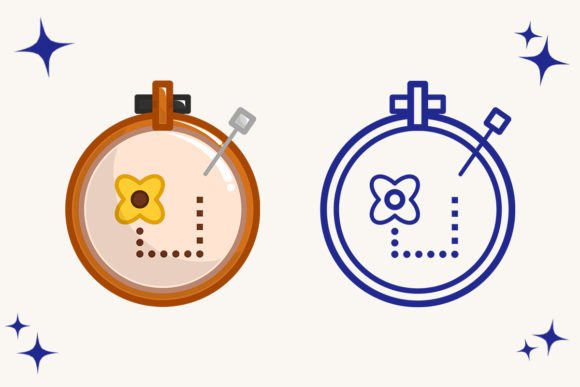
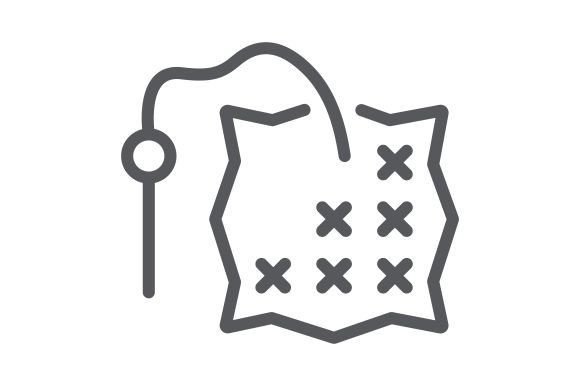
As an embroidery designer who spends hours tweaking stitch paths and testing thread tension, I am always looking for design assets that offer clean lines without unnecessary complexity. When browsing Creative Fabrica embroidery collections, I recently came across the Embroidery Line Icon. At first glance, it appears to be a simple vector graphic—a linear pattern on a white background representing a needle or sewing motif. However, before downloading any file for a real customer order, it is crucial to understand how this embroidery file translates from screen to fabric.
This review explores whether the Embroidery Line Icon is suitable for commercial projects, handmade gifts, and boutique merchandise. We will look at its visual appeal, technical considerations, and practical applications in real-world scenarios.
First Impressions and Visual Mood
The Embroidery Line Icon exudes a minimalist aesthetic. It is described as "handmade and sewing," which suggests a warm, artisanal feel rather than a rigid, industrial look. The linear pattern style works exceptionally well for brands that value simplicity and elegance. For designers creating custom apparel or personalized gift items, this icon provides a subtle focal point that does not overwhelm the garment.
Visually, the icon is striking against a plain background. Its clean edges make it ideal for placement on tote bags, aprons, and baby blankets where you want a touch of charm without clutter. The design feels versatile enough for both modern nursery decor and rustic kitchen towels. Because it is a line-based graphic, it relies heavily on the quality of the digitization or the method used to transfer it to the fabric. If you are using this as a reference for hand embroidery or a machine running stitch, the mood is one of delicate craftsmanship.
Real-World Application: Where Does It Fit?
I evaluated the Embroidery Line Icon for potential use in several common product categories. Here is how it performed in my mental mockups:
- Tote Bag Design: A small line icon placed near the handle or centered on a canvas tote adds a professional touch. It pairs beautifully with bold typography for Etsy sellers looking to create trendy shopping bags.
- Sweatshirt Embroidery: On soft cotton blends, a minimal line icon can serve as a chest logo. It is subtle enough for everyday wear but distinct enough to show brand identity.
- Kitchen Towels and Aprons: This is perhaps the strongest use case. The sewing/needle theme resonates perfectly with home cooks and crafters. Placing it on a linen apron creates a cohesive, thematic look.
- Baby Items: For baby blankets or burp cloths, the gentle linear style is safe and appealing. It avoids gender stereotypes while adding a cute decorative element.
- Embellished Patches: If you are creating embroidered patches for denim jackets or backpacks, this icon works well as a standalone badge. It allows the wearer to express their love for sewing in a stylish way.
Technical Considerations and Stitching Challenges
While the visual concept is strong, there are important technical factors to consider when turning the Embroidery Line Icon into a finished product. The product description notes that it is an EPS 10 vector file with non-editable stroke. This means you cannot simply open it in your embroidery software and adjust the stitch width freely. You must import it carefully.
Hoop Size and Scale
Because this is a line icon, scaling is critical. If you attempt to enlarge it too much, the individual lines may lose their definition unless you use a thick satin stitch. Conversely, if you keep it small for a cap or a pocket area, you must ensure the stitch density is appropriate. Tiny details can get lost in the fabric weave or become stiff and uncomfortable to wear. Always check the hoop size relative to the final print dimensions.
Fabric Compatibility
Line icons perform best on stable fabrics like cotton, linen, or denim. Stretchy fabrics like jersey can cause the lines to distort if not stabilized properly. I recommend using a cut-away stabilizer for stretchy materials to maintain the integrity of the linear pattern. On textured fabrics, such as heavy wool or terry cloth, the fine lines might disappear into the nap of the fabric. In these cases, a contrasting thread color is essential.
Thread Color Contrast
The success of a monochromatic line design often depends on contrast. On dark fabric, a light thread color will pop, but you may need more passes to cover the base fabric completely. On white or light backgrounds, a dark thread provides sharp definition. Experiment with different thread colors to see which combination enhances the "handmade" vibe you are aiming for.
Impact on Product Value and Branding
In the world of handmade goods, presentation matters. Using a clean, professional digital embroidery file like the Embroidery Line Icon can elevate the perceived value of your products. Buyers often associate neat, precise stitching with high-quality craftsmanship. Even if the design is simple, the execution speaks volumes about your attention to detail.
For Etsy sellers and craft fair vendors, consistency is key. If you use this icon across multiple products—such as matching a tote bag with a kitchen towel—you create a recognizable brand aesthetic. This visual coherence builds trust and encourages repeat customers. Furthermore, because the design is minimal, it photographs well. Clean lines translate beautifully into printable mockups, making your online listings more attractive and easier for customers to visualize.
Practical Tips for Success
Before committing to a large production run, I advise taking the following steps:
- Test on Scrap Fabric: Always stitch out a sample on the same type of fabric you plan to sell. This reveals issues with puckering, thread tension, or color mismatch.
- Review Stitch Density: Ensure the lines are not too dense, which can make the fabric stiff, nor too sparse, which can leave gaps. Adjust the settings in your digitizing software if necessary.
- Inspect Small Details: Zoom in on your digital preview. Are the ends of the lines clean? Will they fray after washing? Properly designed files should have secure start and end points.
- Confirm Licensing: Although the file is a vector graphic, verify the specific license terms on the Creative Fabrica product page. Ensure you have the right to use it for commercial purposes if you are selling finished goods.
- Compare Mockups: Look at light and dark fabric versions side-by-side. Sometimes a design looks great on white but gets lost on navy blue.
Final Thoughts
The Embroidery Line Icon is a versatile addition to any designer’s library. Its minimalist charm makes it suitable for a wide range of commercial embroidery projects, from apparel decorators to small business owners. While it requires careful attention to scale, fabric choice, and stabilization, the result is a sophisticated, professional-looking finish.
If you are looking for a simple yet effective design to enhance your handmade products, this icon is worth considering. It respects the viewer’s eye by offering just enough detail to be interesting without being overwhelming. Just remember to test thoroughly and respect the licensing agreements. With proper execution, the Embroidery Line Icon can help you create beautiful, marketable items that stand out in a crowded marketplace.