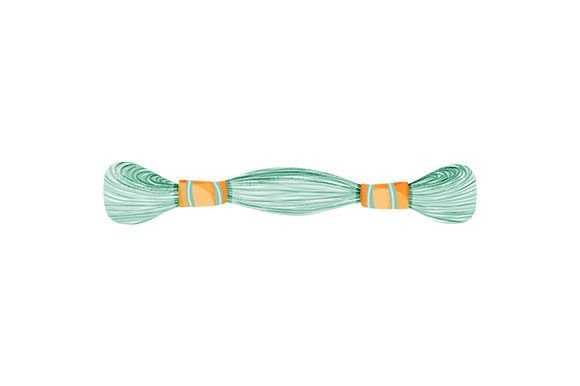
Embroidery Thread - Watercolor Review
As an embroidery designer who has spent years turning digital concepts into tangible brand assets, I approach every new design file with a mix of creative excitement and practical skepticism. When evaluating a product for small business merchandise, branded patches, or uniform accents, the goal is never just aesthetics; it is about durability, recognition, and commercial viability. Today, I am reviewing Embroidery Thread - Watercolor, a design that promises a unique visual texture suitable for various applications ranging from boutique apparel to custom packaging.
First Impressions: The Visual Personality
The title Embroidery Thread - Watercolor immediately suggests a soft, artistic, and organic feel. In the world of machine embroidery, "watercolor" typically implies a design that mimics the bleeding edges and gradient effects of paint, rather than the sharp, solid fills often seen in traditional corporate logos. For small business owners, this distinction is crucial.
This design feels professional yet approachable. It avoids the rigid stiffness of standard vector-based embroidery, offering instead a handmade, artisanal vibe. It is perfect for brands that want to communicate warmth, creativity, and quality. Whether you are running a local café, a handmade jewelry shop, or a creative studio, this design brings a premium touch that elevates the perceived value of your products. It strikes a balance between playful and elegant, making it versatile enough for both casual merchandise and more refined branded items.
Real-World Business Applications
So, where does Embroidery Thread - Watercolor shine in a commercial setting? Based on its likely aesthetic, here are the most effective use cases for small businesses:
- Branded Patches: This design is ideal for creating sew-on or iron-on patches. The watercolor effect adds depth and interest, making patches stand out on denim jackets, backpacks, or tote bags. These serve as excellent customer gifts or loyalty rewards.
- Apron Embroidery: For bakeries, florists, or craft studios, embroidered aprons are a staple. Placing Embroidery Thread - Watercolor on the chest pocket or back yoke of an apron reinforces brand identity while maintaining a rustic, handmade charm.
- Tote Bag Design: Canvas totes are ubiquitous in the Etsy and craft seller space. A watercolor-style logo or accent piece on a tote bag looks sophisticated and artistic, appealing directly to the target demographic of conscious consumers and creatives.
- Cap Embroidery: While caps require careful placement, a smaller version of this design can work beautifully on the front panel or side of a cap. It offers a softer look than bold block letters, fitting well with lifestyle and wellness brands.
- Custom Apparel: Use this as a sleeve detail, a back print accent, or a collar tag alternative. It adds a subtle layer of branding that doesn’t overwhelm the garment’s primary design.
- Product Packaging Accents: Beyond fabric, if the design includes high-resolution formats like SVG or Transparent PNG, it can be used to create printable mockups, labels, or hang tags that match your embroidered merchandise, ensuring visual consistency across all design assets.
Where to Exercise Caution
Not every design fits every application. As a designer, I must advise caution in specific scenarios when using Embroidery Thread - Watercolor:
- Small Patch Sizes: If the watercolor effect relies on fine details or intricate shading, reducing the size too much may cause the design to muddy together. Always test at the actual production size.
- Curved Surfaces: Embroidering on curved surfaces like the front of a baseball cap requires precise digitizing. Complex textures can distort if the hoop tension isn't perfectly calibrated.
- Tiny Lettering: If the design includes text, ensure it remains legible. Watercolor styles can sometimes blur edges, making small fonts difficult to read from a distance.
- High Stitch Density Areas: If the design uses dense fills to simulate color blending, it may become stiff and uncomfortable on lightweight fabrics. Check the stitch density before committing to large runs.
- Dark Uniforms: Ensure there is sufficient contrast. If your uniforms are dark navy or black, verify that the thread colors in the Embroidery Thread - Watercolor file will pop against the background.
- Frequent Washing: For staff uniforms or aprons that undergo industrial laundering, ensure the stabilizer used is appropriate to prevent puckering or distortion over time.
Impact on Brand Identity and Customer Trust
In the crowded market of small business merch, differentiation is key. Using a design like Embroidery Thread - Watercolor signals attention to detail and artistic integrity. Customers often associate unique, handcrafted-looking elements with higher quality and care. This visual consistency builds trust; when a customer sees your logo on a tote, an apron, and a cap, and recognizes the same distinctive style, it reinforces brand recall. It transforms a simple product into a cohesive handmade product experience.
Practical Designer Notes for Production
Before you upload Embroidery Thread - Watercolor to your machine or send it to a printer, follow these essential steps to ensure a successful commercial embroidery project:
- Test in Black and White: Print the design in grayscale first. This helps you evaluate the composition and spacing without being distracted by color choices. If it works in monochrome, it will work in color.
- Check File Formats: The product description indicates availability in SVG, Transparent PNG, EPS, and DXF. Confirm which format aligns with your workflow. For machine embroidery, you will need the correct digitized file (often derived from DXF or converted via software). For graphic design tasks, use the SVG or PNG.
- Review Thread Color Contrast: Analyze the thread colors provided. Do they complement each other? Is there enough contrast between adjacent areas to maintain definition?
- Inspect Spacing and Hoop Size: Ensure the design fits within your standard hoop sizes. If it is larger, plan for multi-hooping, which increases production time and potential alignment errors.
- Test on Real Fabric: Never assume how a design will look on paper translates to fabric. Test on the actual material you plan to use—whether it is cotton, polyester, or canvas—to check for puckering, thread breakage, or color shifting.
- Use Proper Stabilizer: The choice of stabilizer (cut-away vs. tear-away) significantly affects the final look. For stretchy fabrics or heavy-use items like aprons, a cut-away stabilizer is usually recommended for longevity.
- Create a Printable Mockup: Before producing bulk inventory, create a printable mockup to show clients or stakeholders. This allows for approval on the finished product appearance before cutting fabric.
- Confirm Commercial Licensing: Most importantly, verify the licensing terms. Ensure you have the right to use this digital embroidery file for selling physical goods. Reselling designs without proper rights can lead to legal issues.
Final Verdict
Embroidery Thread - Watercolor is a strong candidate for small business owners looking to add a touch of sophistication and artistry to their custom apparel and brand identity. Its versatility makes it suitable for a wide range of products, from tote bag design elements to detailed embroidered patches. By following proper testing protocols and considering the practical constraints of embroidery, you can leverage this design to enhance customer engagement and elevate your brand’s presentation. It is not just a hobbyist’s delight; it is a viable tool for serious craft business assets and product designers aiming to make a lasting impression.