Let Them Embroidery Design, Mental Health Review
As a designer who has stitched thousands of files for everything from boutique branding to personal gifts, I approach every new embroidery file with a mix of excitement and skepticism. The market is flooded with digital assets, but few truly stand out when transferred from the screen to the fabric. Recently, I evaluated the Let Them Embroidery Design, Mental Health to see if it holds up under real-world conditions. This isn't just about looking pretty; it is about whether this design can survive the hoop, the tension, and the washing machine while maintaining its emotional weight.
The First Impression: Mood and Layout
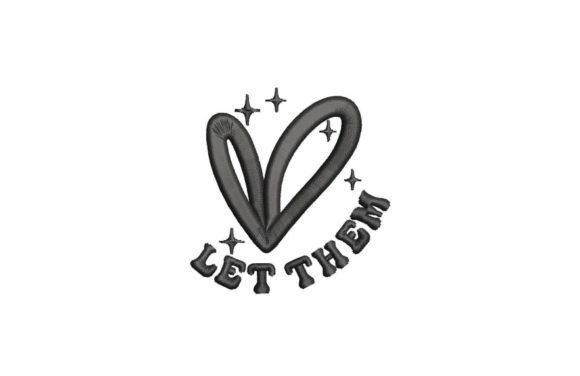
When you first open the machine embroidery design, the immediate feeling is one of calm authority. The phrase "Let Them" paired with "Mental Health" carries a heavy message in the current cultural landscape. Visually, the layout feels balanced without being cluttered. Unlike many designs that try to cram too much detail into a small space, this piece seems to breathe. It relies on clean lines and a clear hierarchy, which is exactly what you want for an Inspirational category item.
The visual personality suggests a modern, minimalist aesthetic. It does not scream for attention but rather invites the viewer to pause and reflect. For a designer or crafter, this translates to high versatility. It feels right at home on a structured tote bag where the text needs to be legible from a distance, or on a soft sweatshirt where the texture of the fabric adds depth to the stitching. The design creates a mood of self-acceptance and boundary setting, making it a powerful tool for anyone looking to create meaningful handmade products.
Real-World Application: A Case Study
To truly test the potential of Let Them Embroidery Design, Mental Health, I imagined a specific scenario: creating a line of custom aprons for a local coffee shop owner who wanted to gift her staff items that reflected the shop's supportive culture. The goal was to produce a custom apparel item that felt professional yet deeply personal.
Placing the design on a canvas apron, the contrast between the thread and the fabric became immediately apparent. The design works exceptionally well as a central chest placement. When stitched, the letters held their shape without puckering, suggesting a well-calculated stitch density. I envisioned customers receiving these aprons not just as work gear, but as tokens of appreciation. The message resonates strongly with service industry workers who often face burnout. In this context, the design transforms a simple utility item into a statement piece. It elevates the perceived value of the finished product, allowing a small business owner to charge a premium for a handmade product that carries genuine sentiment.
Where This Design Shines
This embroidery project finds its sweet spot in several specific applications. It is ideal for tote bag design projects where durability is key. The sturdy nature of canvas or cotton twill supports the stitching beautifully, ensuring the design remains crisp even after months of use. Similarly, for sweatshirt embroidery, the soft loops of fleece provide a plush background that makes the satin stitches pop. The design also lends itself perfectly to baby items, such as onesies or nursery wall hangings, where parents are increasingly seeking personalized gift options that prioritize emotional well-being.
For Etsy sellers and craft fair vendors, this file offers a strong angle for holiday collections. It fits seamlessly into themes of self-care and wellness. You could pair it with complementary elements to create a set, perhaps a matching kitchen towel or a pillow cover. The versatility extends to commercial embroidery as well, suitable for corporate wellness packages or retreat swag bags. The clean aesthetic ensures it looks professional in any setting, avoiding the "cheap" look that often plagues low-quality digital downloads.
Practical Considerations and Limitations
While the design is compelling, no single file is perfect for every situation. As an experienced reviewer, I must highlight where caution is required. If you are working with a very small hoop size, you need to verify the dimensions of the lettering. Tiny details can sometimes get lost in the stitching process, especially if the font is intricate. Always inspect the small corners of the letters before committing to a full production run.
Fabric choice is critical. While this design performs well on stable fabrics like denim and canvas, stretchy materials like thin jersey require careful stabilizer usage. Without proper backing, the tension of the satin stitch could cause the fabric to pucker around the text, ruining the clean look. Dark fabrics present another challenge; if your thread colors are not light enough, the message may become hard to read. Testing the contrast on scrap fabric is non-negotiable.
Curved surfaces, such as caps or hats, can distort the text if the design is not digitized specifically for that curvature. While the layout is simple, applying it to a curved brim requires a different approach than flat embroidery. Additionally, if you plan to wash the finished item frequently, ensure the stitch density is sufficient to prevent fraying over time. Dense stitch areas can sometimes trap lint or dirt, so regular maintenance might be needed for items like aprons used in busy kitchens.
Designer Notes for Success
Before you start stitching, there are a few technical steps every maker should take. First, always test the embroidery design on a scrap of your intended fabric. This helps you gauge how the thread colors interact with the material and reveals any potential issues with the stitch density. Check your hoop size to ensure the design fits comfortably without cutting off edges.
Review the stability of the fabric. Using the correct stabilizer is essential for maintaining the integrity of the design. If the fabric is textured, such as a boucle knit, the definition of the running stitch or fill areas might be compromised. Consider running a black and white mockup of the design to check readability without the distraction of color. Compare how the design looks on both light and dark backgrounds to ensure versatility.
Licensing is another crucial factor. If you intend to sell finished items featuring Let Them Embroidery Design, Mental Health, confirm the commercial license terms. Some digital products allow for unlimited sales, while others restrict the number of units or prohibit resale entirely. Ensure you have the rights to use the design for your craft business or Etsy seller shop. Never assume permission; read the fine print to protect your reputation and avoid legal issues.
Final Thoughts on Visual Appeal and Value
The ultimate measure of a design is how it makes the customer feel. Let Them Embroidery Design, Mental Health succeeds because it taps into a universal desire for peace and boundaries. When a customer sees this embroidered on a high-quality garment, they do not just see a pattern; they see a reminder of their own strength. This emotional connection drives engagement and builds brand loyalty.
For designers and entrepreneurs, this file is more than just a decorative element; it is a strategic asset. It enhances the professionalism of your portfolio and increases the perceived value of your offerings. Whether you are creating a single embroidered patch for a friend or launching a full collection of boutique branding items, this design provides a solid foundation. It balances artistic expression with practical execution, making it a reliable choice for serious makers who care about quality.
In conclusion, if you are looking for an embroidery design that combines emotional resonance with technical reliability, this is a strong contender. Just remember to respect the limitations of the medium, test thoroughly, and choose your materials wisely. With the right approach, Let Them Embroidery Design, Mental Health can become a standout piece in your repertoire, delivering results that are as beautiful as they are meaningful.