Little Flower Embroidery File Review for Merch
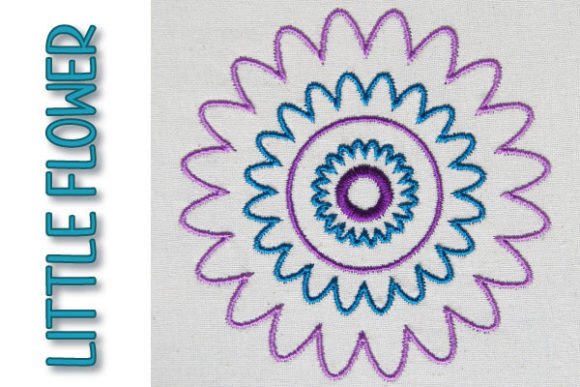
As an experienced embroidery designer who has spent years refining designs for commercial applications, I approach every new digital asset with a critical eye. When evaluating the Little Flower Embroidery File, I am not just looking at a pretty image; I am analyzing its viability as a core component of a small business's brand identity. The product description promises an "exquisite flower ornament" crafted with "intricate satin stitches," and in my professional opinion, this design holds significant potential for brands seeking to elevate their visual presentation.
First Impressions: Personality and Visual Tone
The initial assessment of the Little Flower Embroidery File reveals a design that strikes a delicate balance between elegance and approachability. Based on the description highlighting "intricate satin stitches," this floral motif suggests a polished, premium feel rather than a rustic or overly playful aesthetic. For a boutique, a florist, or a handmade jewelry brand, this level of detail communicates quality and care.
In the context of brand identity, the design feels versatile enough to serve as a sophisticated accent without overwhelming the garment. It projects a sense of professionalism that can enhance customer trust. Whether applied to a high-end apron or a simple tote bag, the intricate nature of the satin stitches implies a finished product that is well-crafted. This is crucial for businesses where the merchandise serves as a walking advertisement for their values.
Real-World Application for Small Business Merch
When I simulate using the Little Flower Embroidery File across various commercial products, the versatility becomes immediately apparent. Let us consider a scenario involving a local coffee shop or a craft studio. In these environments, consistency is key. This design could function effectively as a chest logo accent on staff uniforms, providing a subtle yet recognizable mark that unifies the team.
For owners creating small business merch, such as branded tote bags or bakery aprons, this file offers a charming touch that elevates the perceived value of the item. A customer receiving a tote bag embroidered with such an exquisite floral motif is more likely to view it as a gift rather than disposable promotional material. Similarly, for pet brands or creative studios, the design works beautifully as a patch on a denim jacket or a label sewn onto product packaging. The "Single Flowers" category ensures that the motif remains focused and legible, making it ideal for items where space is limited but impact is required.
Performance on Specific Garments and Accessories
The execution of the embroidered patch version of this design requires careful consideration of the base fabric. On curved surfaces like caps, the intricate satin stitches must be evaluated for how they lay flat against the curve. If the stitch density is too high, the design may pucker on a baseball cap front. However, if balanced correctly, it creates a stunning focal point for cap embroidery.
For tote bag design projects, the file shines as a central element. The contrast of the thread colors against canvas or cotton twill can create a striking visual statement. Furthermore, when used as a sleeve detail on work shirts, it adds a layer of personality that breaks up the monotony of standard corporate apparel. The design also serves as an excellent addition to custom apparel for events, allowing businesses to offer unique souvenirs that attendees will actually want to wear.
Strategic Considerations and Limitations
While the Little Flower Embroidery File is promising, a professional review must address where caution is necessary. One of the primary concerns with intricate satin stitch designs is the minimum size requirement. If you intend to use this for a tiny patch on a collar or a very small product tag, the details may become indistinguishable upon completion. It is vital to test the design at the intended final size before mass production.
Fabric texture plays a massive role in the success of this project. On highly textured fabrics, the definition of the "intricate" stitches might get lost. Additionally, dark uniforms present a challenge; unless the thread colors are chosen with extreme care to ensure high contrast, the elegance of the design could be muted. Frequent washing is another factor to consider. Designs with high stitch density require robust stabilizers and proper tension settings to prevent distortion over time. If the design is placed on an item that will undergo heavy industrial laundering, the structural integrity of the embroidery must be verified.
Impact on Brand Identity and Customer Engagement
In the competitive landscape of Etsy sellers and product designers, visual consistency is what separates a hobbyist from a serious brand. Utilizing a high-quality digital embroidery file like the Little Flower Embroidery File signals to your audience that you pay attention to detail. This attention to detail translates directly into perceived product value. When a customer sees a crisp, well-executed floral motif on a branded item, it reinforces the idea that the products inside the box are equally well-made.
This design can significantly boost buyer engagement by adding a tactile element to the unboxing experience. A handmade product enhanced with professional embroidery feels personal and thoughtful. For businesses selling design assets or offering customization services, having a reliable floral motif in your library allows you to offer varied options to clients while maintaining a cohesive look across different product lines.
Practical Designer Notes for Production
Before committing to a full production run, there are several technical steps any professional should take. First, always test the machine embroidery design in black and white to ensure the stitch structure holds together without relying on color contrast alone. Check the spacing within the design; crowded satin stitches can lead to thread breaks or puckering.
Confirming the appropriate hoop size is essential to maintain stability during stitching. You must select the correct stabilizer based on the fabric type; a lightweight cut-away might be necessary for stretchy knits, while a tear-away could suffice for stable wovens. Creating a printable mockup for client approval is also a smart move to visualize the final result on the specific garment before the needle touches the fabric.
Finally, do not overlook the importance of thread color contrast. Review the available thread palettes to ensure the design pops against your target fabric. Always inspect the finished sample for any loose threads or gaps in the satin coverage. Most importantly, confirm the commercial licensing terms of the embroidery file to ensure you are legally permitted to use the design on items for sale.
By following these guidelines, the Little Flower Embroidery File can transform from a simple digital asset into a powerful tool for building a recognizable and trusted brand. Whether you are decorating aprons, caps, or tote bags, this design offers the elegance and precision needed to make your merchandise stand out in a crowded market.