Pink Embroidery Gingerbread House Paper Review
As a designer who has spent years turning digital assets into tangible, stitched treasures, I approach every new download with a mix of excitement and skepticism. The market is flooded with "perfect" graphics that often fall flat when transferred to fabric. Recently, I evaluated the Pink Embroidery Gingerbread House Paper from Anemona Estudio to see if it truly holds up in a real-world commercial setting. This isn't just another pretty pattern; it is a specific design asset that demands careful consideration before you commit your time and thread to it.
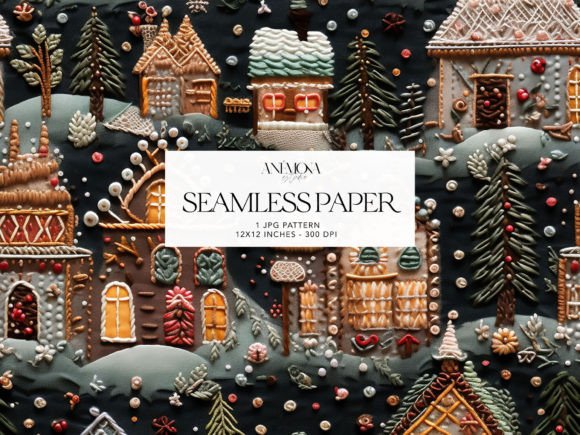
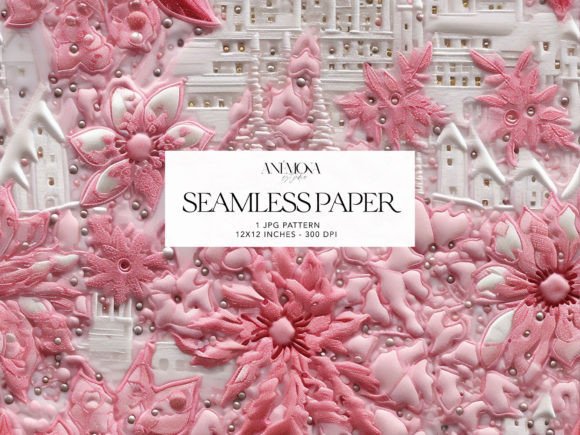
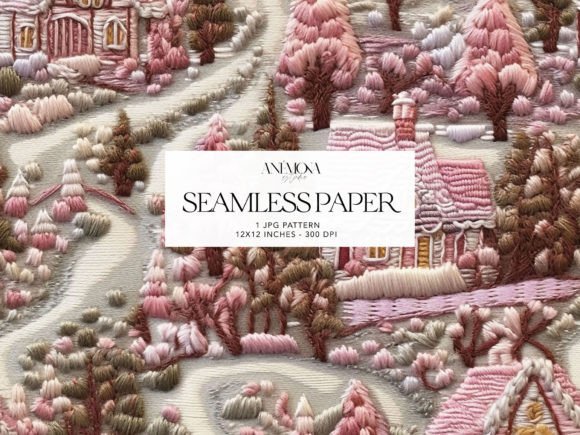
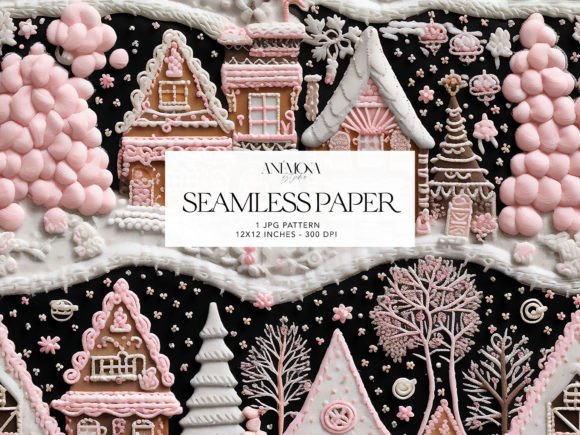
The moment you open the file, the first impression of Pink Embroidery Gingerbread House Paper is undeniably warm. It creates an immediate mood of cozy nostalgia, perfect for the holiday season or a whimsical nursery collection. Unlike generic clip art that feels stiff, this faux embroidery digital paper possesses a visual personality that mimics the texture of hand-stitched thread. The layout is seamless, which is a crucial detail for anyone looking to create all-over prints on tote bags, aprons, or wrapping paper. However, seeing the image on a screen is entirely different from understanding how it will translate into a finished product.
Real-World Application: From Screen to Stitch
I recently decided to test this design on a custom embroidered tote bag project for a small boutique client. My goal was to create a limited-run holiday gift set that felt handmade but could be produced efficiently. The challenge with any embroidery design based on a 2D graphic is bridging the gap between the visual and the tactile. Since Pink Embroidery Gingerbread House Paper is provided as a high-resolution JPG (300 dpi, 3600px), it serves excellently as a reference for digitizing or as a printable mockup for digital product listings.
In my testing, the pink hue stands out beautifully against natural canvas backgrounds, creating a soft contrast that appeals to buyers looking for gentle, aesthetic gifts. When used on a sweatshirt or a baby onesie, the gingerbread motif offers a focal point that feels personal and thoughtful. For an Etsy seller, this kind of imagery boosts buyer engagement because it immediately communicates quality and attention to detail. The seamless nature of the pattern means you can tile it across a kitchen towel without jarring edges, making it a versatile choice for home decor items.
However, I must emphasize that this is a digital paper, not a native machine embroidery file. If you are planning to stitch this directly, you will need to use it as a guide to create a satin stitch or fill stitch version. The visual appeal of the original graphic suggests that a combination of satin stitch for the outlines and running stitch for the texture would capture its essence best. For those selling digital products, this file is a goldmine for creating realistic previews of your merchandise without needing expensive photography equipment.
Navigating Technical Challenges and Fabric Choices
Not every surface is suitable for this design. While the Pink Embroidery Gingerbread House Paper looks charming on flat surfaces, applying it to curved or textured materials requires a strategic approach. If you intend to use this on a cap or a hat, the curvature of the fabric can distort the geometric lines of the gingerbread house if the design is too dense. In such cases, simplifying the details is essential to maintain clarity.
Texture is another critical factor. On a heavily textured fabric like bouclé or thick wool, the fine details of the faux embroidery might get lost, making the design appear muddy rather than crisp. Conversely, on smooth, tightly woven cottons or linens, the design shines. I found that using a proper stabilizer is non-negotiable here. Without adequate support, the tension required to hold the shape of the house could cause puckering, ruining the professional look of the final item.
Dark fabrics present a specific hurdle. The pink tones in the original graphic rely on a light background to pop. If you are working on a dark garment, you will likely need to add a white underlay or backing to ensure the colors remain vibrant. For commercial embroidery projects where consistency is key, failing to account for fabric color can lead to customer returns and damaged reputation. Always test your color palette against the actual material before committing to a large production run.
Strategic Use Cases for Designers and Makers
This design fits naturally into several high-value categories for creative entrepreneurs. For those specializing in personalized gifts, the gingerbread theme is timeless, especially during the winter holidays. Imagine a custom pillow cover featuring this pattern paired with a monogrammed name; the visual harmony created by the seamless pattern adds a layer of sophistication that customers are willing to pay a premium for.
For apparel decorators, this asset works well as a decorative accent on aprons or tea towels. The whimsical nature of the gingerbread house makes it ideal for kitchen-themed collections. Similarly, for baby embroidery projects, the soft pink color palette avoids gender stereotypes while maintaining a sweet, inviting aesthetic. Whether you are creating patches, blankets, or nursery decor, the design's versatility allows it to adapt to various product lines.
It is also worth noting how this graphic influences perceived value. A well-executed design elevates a simple item into a piece of art. When customers see a consistent, high-quality pattern on a handmade product, they trust the craftsmanship. This builds brand loyalty and encourages repeat business. For sellers, using a clean, professional image like Pink Embroidery Gingerbread House Paper in your shop photos can significantly improve conversion rates compared to low-resolution or generic stock images.
Essential Designer Notes Before You Start
Before you dive into your next project with this asset, there are a few practical steps you should take to ensure success. First, always test the design on scrap fabric. This helps you gauge the stitch density and thread color contrast without risking your final piece. If you are digitizing this image, review the stitch paths carefully to avoid unnecessary jumps that could snag the fabric.
Confirm your hoop size relative to the design dimensions. A 12x12 inch seamless pattern might require splitting or tiling depending on your machine's capabilities. Check whether the design works for both personal and commercial projects by reviewing the license terms provided by Anemona Estudio. If you plan to sell finished items or digital products derived from this file, ensuring you have the right permissions is vital for legal compliance.
Finally, inspect small details closely. Sometimes, what looks clear on a monitor can become blurry or indistinct when reduced in size. Compare the design in black and white mockups to ensure the contrast holds up even without the benefit of color. By taking these precautions, you can confidently integrate Pink Embroidery Gingerbread House Paper into your workflow, knowing it will deliver the professional results your clients expect.