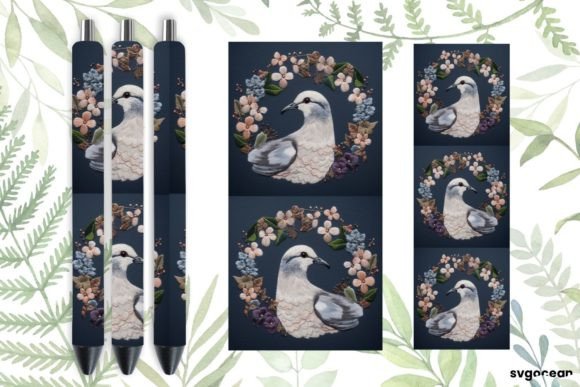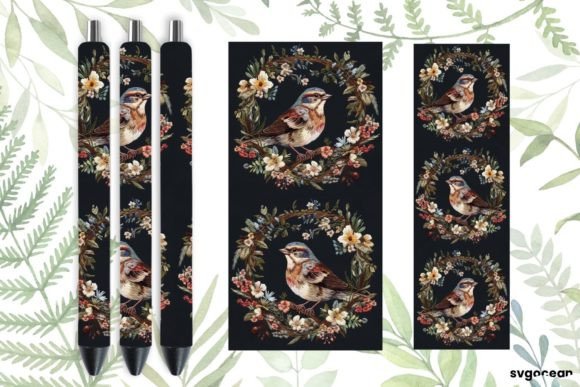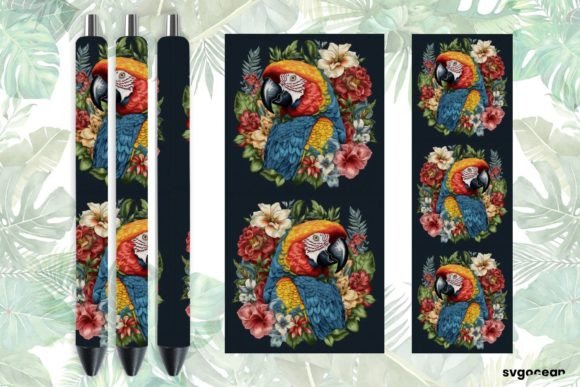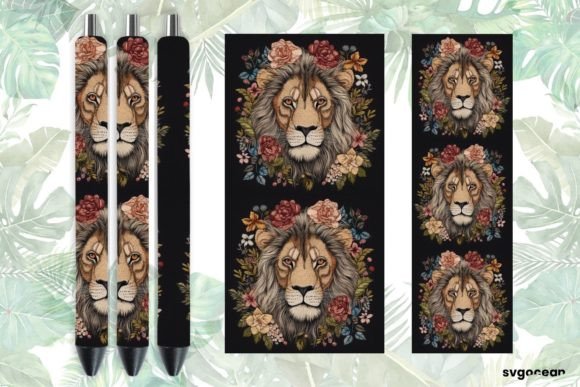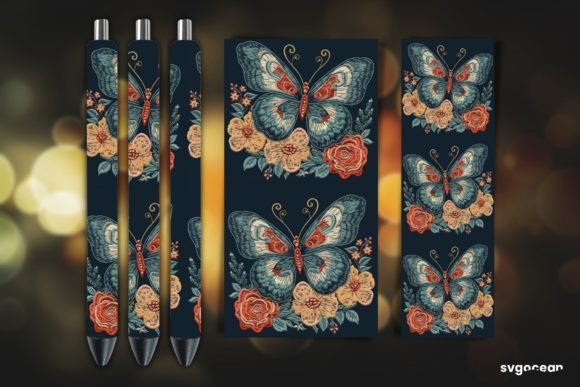
Embroidery Butterfly Pen Sublimation Review
When I first opened the folder for Embroidery Butterfly Pen Sublimation, my immediate reaction was one of visual curiosity. As a designer who spends hours evaluating digital assets for real-world production, I look past the pretty thumbnail to see how a design will actually behave under the needle. This piece carries a specific mood: whimsical yet structured, perfect for adding a touch of delicate nature to functional items. It feels less like a generic clipart and more like a curated asset meant for the modern crafter or boutique owner.
The concept of a butterfly interacting with a pen suggests a narrative of creativity and artistry. In the context of a machine embroidery design, this duality offers a unique opportunity. It isn't just about placing a flower on a shirt; it is about telling a story of inspiration. For those of us in the Crafts and Graphics sectors, finding designs that bridge the gap between digital aesthetics and physical texture is always a challenge. My initial assessment suggests that Embroidery Butterfly Pen Sublimation has the potential to elevate simple handmade products into something that feels professionally curated.
Bringing the Design to Life: A Real-World Scenario
To truly understand the value of this file, let's imagine a practical scenario. I am preparing a custom order for a local writer's workshop. The client wants personalized tote bags and aprons that reflect their passion for storytelling. Usually, standard floral motifs feel a bit overused for this demographic. However, when I mentally placed Embroidery Butterfly Pen Sublimation onto a canvas tote bag, the composition clicked immediately.
The vertical orientation of the design fits perfectly down the side seam of a tote or centered on the chest of an apron. Imagine the visual impact: a satin-stitched butterfly perched delicately on the nib of a quill. It transforms a utilitarian item into a statement piece. For an Etsy seller or a small shop owner, this kind of thematic relevance is gold. It increases the perceived value of the handmade product because it speaks directly to the user's identity. A customer buying a kitchen towel with this design isn't just getting a cloth; they are getting a symbol of their creative spirit.
This same logic applies to baby items. A onesie featuring this motif would be incredibly tender, suggesting growth and imagination. The design works well as a focal point on a nursery pillow cover or a baby blanket. It strikes a balance between being cute enough for a child but sophisticated enough not to look childish, which is crucial for parents shopping for high-quality personalized gifts.
Performance on Fabric: Texture, Density, and Detail
Moving from the conceptual to the technical, how does Embroidery Butterfly Pen Sublimation hold up in actual stitching? The success of any embroidery project relies heavily on stitch density and the clarity of fine details. Based on the visual complexity of the subject matter, this design likely utilizes a mix of satin stitch for the outlines and smooth fills, alongside running stitch for finer textural elements like the pen lines or wing veins.
In a commercial setting, where speed and durability are paramount, the stability of these stitches matters. On stable fabrics like denim for a cap or heavy cotton for a sweatshirt, the design should render beautifully. The contrast between the organic shape of the butterfly and the geometric line of the pen creates a dynamic tension that looks sharp once stitched. However, we must be realistic about where this design thrives and where it might struggle.
There are specific scenarios where caution is required. If you are working with a very small hoop size, such as 4x4 inches, the detail level of the butterfly wings might get lost in the fabric weave. Similarly, on highly textured fabrics like bouclé or thick terry cloth, the fine lines of the pen might not register clearly. Stretchy fabrics, common in activewear, present another hurdle; without proper stabilizer techniques, the tension could distort the vertical alignment of the design, causing the pen to appear crooked.
For dark fabrics, thread color selection becomes critical. To ensure the visual appeal remains high, you will need a high-contrast thread palette. A light-colored butterfly on a black background requires careful attention to stitch density to prevent the fabric from showing through. Conversely, on light fabrics, the design needs enough depth to stand out against the material. Testing the design in black and white mockups before committing to a full run is a wise step to verify legibility.
Navigating Challenges: Where to Use Carefully
While Embroidery Butterfly Pen Sublimation is versatile, it is not a universal solution for every surface. Curved surfaces like baseball caps can be tricky if the design lacks the necessary flexibility in its digitization. The transition from the flat body of the pen to the curved wings needs to follow the curvature of the hat without bunching.
Dense stitch areas can also lead to puckering if the underlying fabric is thin. If you plan to use this for an embroidered patch, you must ensure the backing is strong enough to support the density. Furthermore, for products that require frequent washing, such as aprons or workwear, the integrity of the fill stitch is vital. If the design is too loose, the threads may snag or fray over time, damaging the reputation of your craft business.
Impact on Brand and Customer Trust
As a professional reviewer, I cannot stress enough how much the quality of a design influences customer trust. In the world of online marketplaces, buyers judge a product by its presentation. A clean, well-executed Embroidery Butterfly Pen Sublimation on a finished product signals professionalism. It tells the buyer that the maker cares about the details.
This design adds a layer of sophistication that can help a small shop compete with larger brands. When a customer sees a cohesive theme across their merchandise—say, matching tote bags, hats, and printed mockups—they are more likely to engage with the brand. The "pen" element specifically appeals to creatives, writers, and educators, making it a targeted asset for niche marketing. It helps in creating a recognizable brand identity that goes beyond generic patterns.
However, the final result depends entirely on execution. A poorly stabilized design can ruin even the best artistic concept. Therefore, thorough testing is non-negotiable. Before launching a new line of holiday gifts or boutique branding items, always run a test sample.
Practical Notes for the Designer
Before you download and start stitching, here are essential steps to ensure your finished product meets industry standards:
- Test on Scrap Fabric: Always stitch a sample on a scrap piece of the same fabric you intend to use. This reveals issues with puckering, thread breaks, or registration errors early.
- Check Thread Contrast: Evaluate different thread colors against your target fabric. Ensure the butterfly and pen elements remain distinct and do not blend into the background.
- Review Stitch Density: Inspect the design file for overly dense areas that might cause the fabric to pucker or the needle to break. Adjust the settings if necessary.
- Confirm Hoop Size: Verify that the design dimensions fit within your machine's hoop capabilities, especially if you are using multi-needle systems or smaller hoops.
- Inspect Small Details: Zoom in on the digital preview to ensure fine lines are clear and won't disappear during the embroidery process.
- Licensing Verification: Crucially, confirm the licensing terms before selling finished items. Ensure you have the right to use the digital embroidery file for commercial purposes.
- Stabilizer Selection: Choose the correct stabilizer (cut-away, tear-away, or wash-away) based on the fabric weight and stretch to maintain the design's shape.
Ultimately, Embroidery Butterfly Pen Sublimation is a thoughtful addition to any library of design assets. It offers a unique narrative that resonates with creative entrepreneurs and hobbyists alike. By approaching it with a critical eye and following best practices in custom apparel decoration, you can create stunning pieces that delight customers and strengthen your brand presence in the competitive craft market.